Recycling and Sustainability at Chase Cross Storage
 At Chase Cross Storage, recycling and sustainability are built into everyday operations, from how units are managed to how items leave the site for reuse, recycling, or responsible disposal. Our approach to storage sustainability is designed to support customers who want a cleaner, more efficient way to store goods while reducing unnecessary waste. We aim to keep materials in circulation for as long as possible and to make sure that anything no longer needed is directed to the most suitable recovery route.
Our current recycling percentage target is to recycle or divert from landfill at least 85% of non-hazardous operational waste, with a longer-term ambition to reach 90% where local infrastructure and material quality allow. This includes cardboard, paper, plastics, metals, wood, and reusable packaging. We review this target regularly, because sustainable storage practices improve when waste streams are measured carefully and separated early. In a self storage environment, even small changes such as flattening boxes, reusing wraps, and sorting breakable items can make a meaningful difference.
As part of our wider recycling at Chase Cross Storage approach, we work in step with local borough methods of waste separation, where mixed recycling, food waste, garden waste, and residual waste are often collected through different routes. That borough-by-borough approach encourages better sorting at source, and we mirror that principle on site by separating materials before they leave our premises. In practical terms, that means keeping clean cardboard away from contaminated items, setting aside metals for specialist recycling, and ensuring reusable goods are identified before they become waste.
Local Recycling Routes and Transfer Stations
 When items cannot be reused or donated, they are sent through local transfer stations and licensed waste facilities that can process materials responsibly. Using local routes helps reduce transport miles and supports a lower-carbon circular economy. It also gives Chase Cross Storage the flexibility to direct different waste types to the most appropriate facility, whether that is for material recovery, sorting, or safe disposal.
We pay close attention to nearby borough recycling systems because they shape how materials are handled after collection. For example, many boroughs now place greater emphasis on separating paper and card, rigid plastics, glass, and metals, while also encouraging residents and businesses to keep textiles and electricals out of general waste. Our operations reflect that same logic. Where possible, we sort items into clean, recoverable streams so they are easier to process at a transfer station, reducing contamination and improving recycling quality.
We also support customers who are clearing units or moving house by guiding items toward appropriate outlets for reuse and recycling. Large volumes of storage recycling can include furniture, office materials, books, and seasonal stock. Rather than sending everything to landfill, we look for the best route for each item, and that often means reuse first, then recycling, and only then disposal as a final option.
Partnerships with Charities and Reuse Organisations
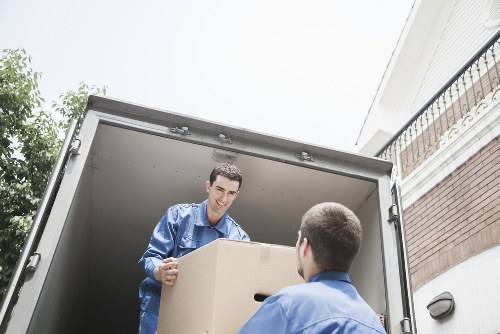 A key part of our sustainability work is building partnerships with charities and reuse organisations that can give a second life to suitable items. Many goods stored in units still have value, even when customers no longer need them. Household furniture, kitchenware, books, clean textiles, and office equipment may be ideal for donation if they meet the receiving organisation’s standards. These partnerships help reduce waste while supporting local community causes.
We are particularly careful to identify items that can move quickly into reuse channels, because reuse often has a lower environmental impact than recycling. Charitable donation is not only a practical solution; it is also an important part of our wider sustainable storage model. By helping items go directly into homes, community projects, or charity resale schemes, we reduce the demand for new products and support the circular economy in a way that benefits both people and the environment.
Where donations are not possible, we still aim to recover as much material as we can through recycling partnerships. Wood from dismantled furniture may be separated for processing, metals may be sent to recovery facilities, and cardboard packaging can be baled for paper recycling. This layered approach helps ensure that the most valuable material use is chosen first, especially when the item mix includes a wide range of everyday contents from households and small businesses.
Low-Carbon Vans and Smarter Transport
 Transport is another important part of our recycling and sustainability strategy. Chase Cross Storage uses low-carbon vans where possible, helping to reduce emissions linked to collections, deliveries, and waste transfers. Modern efficient vans, better route planning, and fewer unnecessary trips all contribute to a smaller carbon footprint. We also encourage load consolidation so that journeys are fuller and less wasteful, especially when moving recyclable materials to a transfer station or reusable goods to a charity partner.
Our vehicles are chosen with both practicality and environmental impact in mind. Cleaner engines, efficient fuel use, and regular maintenance all help lower emissions, while careful scheduling reduces idle time and duplicate routes. This matters because a storage business can generate frequent small movements, and those journeys add up over time. By focusing on efficient logistics, we make Chase Cross Storage recycling efforts more effective from start to finish.
The same principle applies to customer collections and removals. When items are being transported away from a unit, we look for opportunities to keep journeys productive and reduce avoidable mileage. Where appropriate, we coordinate collections so recyclable materials, reusable items, and disposal loads are handled in the most efficient order. This helps us support greener storage operations without compromising service quality.
A Practical Approach to Sustainable Storage
 Sustainability at Chase Cross Storage is not based on one single action, but on a series of practical steps that work together: setting clear recycling targets, using local transfer stations, partnering with charities, and operating low-carbon vans. We also take cues from local borough recycling habits, especially the growing emphasis on separating waste streams properly and keeping recyclable materials clean. These everyday habits make a measurable difference when applied across a busy storage site.
For customers, this means a storage provider that treats waste responsibility as part of good service. For the environment, it means fewer materials sent to landfill, more items reused, and lower emissions from transport. For the wider community, it supports the kind of resource-conscious thinking that helps towns and boroughs manage waste more effectively. Our goal is simple: to make self storage sustainability practical, consistent, and beneficial at every stage.
By improving recycling performance, extending the life of useful goods, and choosing lower-carbon logistics, Chase Cross Storage aims to operate in a way that reflects modern environmental expectations. Recycling at Chase Cross Storage is therefore more than a policy; it is a working system that supports cleaner operations, smarter reuse, and a more sustainable future.